

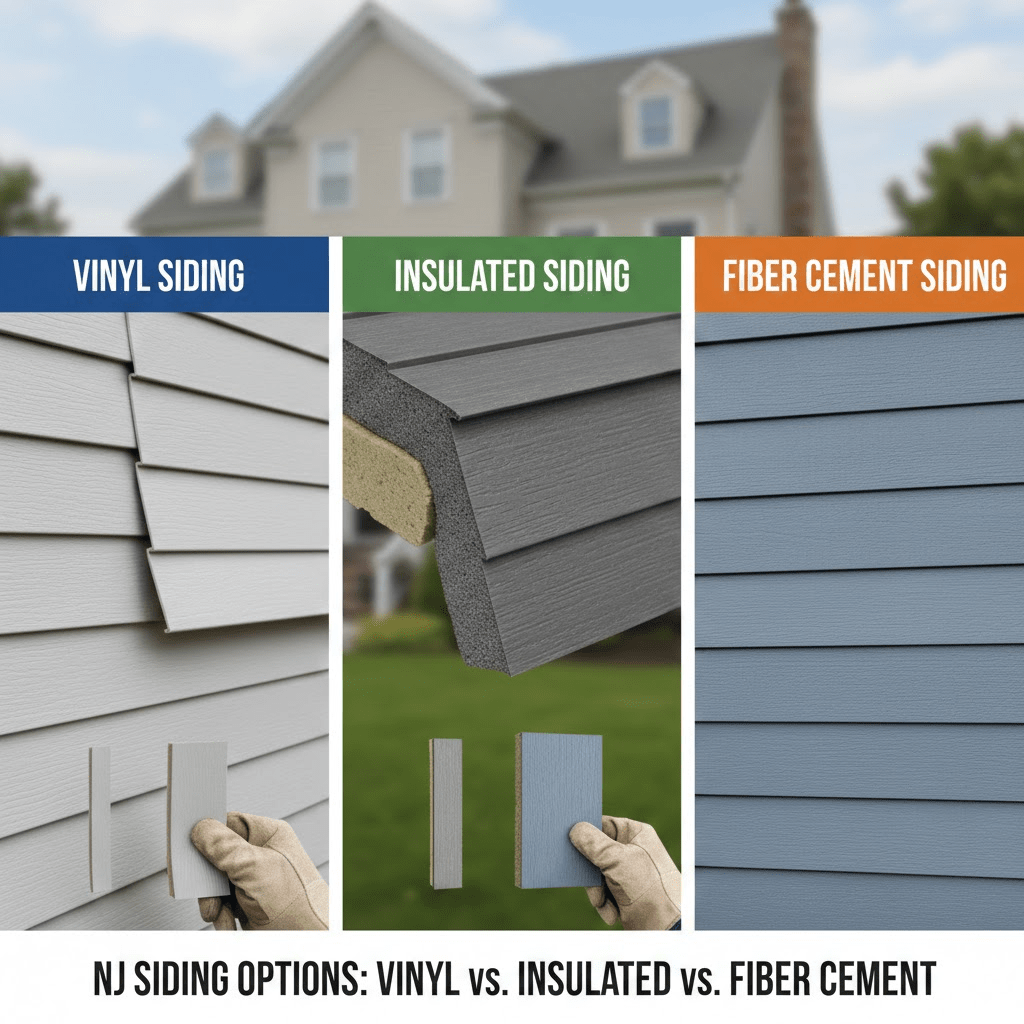
When you’re trying to decide on the best siding for your New Jersey home, there’s a lot to choose from. The right pick can make a huge difference in your home’s appearance, performance and longevity. Few of the popular choices for siding material are vinyl siding, insulated vinyl siding and fiber cement. Both have their pros and cons, so how can you figure out which is better for your New Jersey home.
In this guide, we compare vinyl vs. insulated siding in NJ and fiber cement siding in NJ so you can make an educated choice based on your home’s needs, location & budget.
Why Siding Matters in NJ
The New Jersey weather can be tough on your home’s exterior. With frosty winters, humid summers, and storms every now and then it is important to pick out a tough siding material that will also be energy efficient. The perfect siding doesn’t only look great, but also enhance curb appeal and provide protection to your property against the whims of weather.
Vinyl Siding
Vinyl siding remains one of the top choices for homeowners in every state in the country, but it holds a special place in New Jersey. It has several benefits and it’s a popular choice for many house owners.
Benefits of Vinyl Siding
- Cost:For most applications it’s usually more affordable than alternatives like fiber cement and insulated vinyl.
- Low Maintenance:It never needs painting, and it doesn’t have rust- or corrosion-prone metal fasteners to keep looking good.
- All Kinds of Design and Color Style:Vinyl can be in all colors and include different textures to blend in with what you have at home.
- Longevity: Vinyl siding won’t fade, warp or crack with the harsh New Jersey elements.
- Simple Install:Lightweight design installs faster and more easily than other siding materials.
Drawbacks of Vinyl Siding
- Less Insulation:Traditional vinyl siding does not provide as much insulation as others. This can result in more expensive heating and cooling bills.
- At Risk of Damage:Very harsh weather, such as hail or strong winds, can damage vinyl siding which leads to cracking and holes.
- Appearance:While vinyl can be attractive, it may not have the same authenticity of fiber cement and stucco.
Insulated Vinyl Siding
Insulated siding is a combination of traditional vinyl and additional insulation. This siding features a foam backing that provides excellent insulation.
Benefits of Insulated Vinyl Siding
- Home Comfort:Extra foam heat/poly insert works double duty by helping to block cold and hot atmosphere, while keeping your home insulated for comfort and lowering energy bills.
- Increased Longevity:Insulated vinyl is more durable and less likely to dent, crack or be damaged by extreme weather conditionsality Says Much About Our Quality?
- Quiet Inside:The foam insulation contributes to a quiet interior, increasing your ability to relax within your home.
- Environmental:Certain insulated vinyl siding products are manufactured using recycled content and are environmentally friendly compared to other types of siding.
Drawbacks of Insulated Vinyl Siding
- Higher Price Tag:Insulated vinyl is a pricier option compared to standard vinyl.
- Less Style Options:Although you get better insulating value, there is less variety of styles and textures than that of traditional vinyl siding.
- Harder to Repair:In the event that a panel is damaged, it may be more difficult to repair because of the foam backing.
Fiber Cement Siding
It is so because fiber cement siding consists of a mixture of sand, cement, and cellulose fibers making it the perfect material for the climate conditions in New Jersey.
Benefits of Fiber Cement Siding
- Unmatched Longevity:Fiber cement is fire-, rot-, termite- and weather-resistant. It’s stood up just fine to the bitter winters and humid summers of NJ.
- Visually Appealing:It is paintable and even can be shaped to resemble wood, so it looks like the real thing.
- Minimal Maintenance:Although you will need to repaint fiber cement every so often, it is less likely to go bad than other types of siding and so makes a low maintenance choice over time.
- Energy Efficiency:Just as with insulated vinyl fiber cement offers effective thermal insulation which is useful in reducing amount of heat transfer and maintaining a steady interior temperature.
Drawbacks of Fiber Cement Siding
- Cost:Fiber cement siding is more expensive than vinyl and insulated vinyl.
- Heavy:Due to heavy material, should be installed by an experienced contractor and takes longer stabilization work.
- Requires Repainting:Although it can look like wood, fiber cement siding usually requires frequent paint jobs with the same paint used on wood to protect it against the elements and maintain its appearance.
Vinyl vs. Insulated vs. Fiber Cement Siding in NJ: A Side-by-Side Comparison
| Feature | Vinyl Siding | Insulated Vinyl Siding | Fiber Cement Siding |
| Initial Cost | Low | Higher than standard vinyl | High |
| Durability | Moderate | High (better than vinyl) | Very High (resistant to fire, rot, and pests) |
| Energy Efficiency | Moderate | High (better insulation) | High |
| Maintenance | Low (wash periodically) | Low (better durability) | Moderate (requires painting) |
| Aesthetic Appeal | High (variety of colors) | Moderate (limited styles) | Very High (can mimic wood) |
| Weather Resistance | Moderate | High (better weather resistance) | Very High (withstands harsh conditions) |
| Lifespan | 20-40 years | 30-50 years | 50+ years |
Case Study: Choosing the Right Siding in NJ
Case Study: The Johnson Family’s Home Renovation in New Jersey
The Johnson family had been in their Monmouth County, N.J., house for more than 20 years. The former vinyl siding also was beginning to fade and crack as the New Jersey harsh winters&r summers took their toll. After consulting a contractor, the family was presented with three options: conventional or standard vinyl, insulated vinyl and fiber cement.
Why the Johnsons Chose Insulated Vinyl Siding
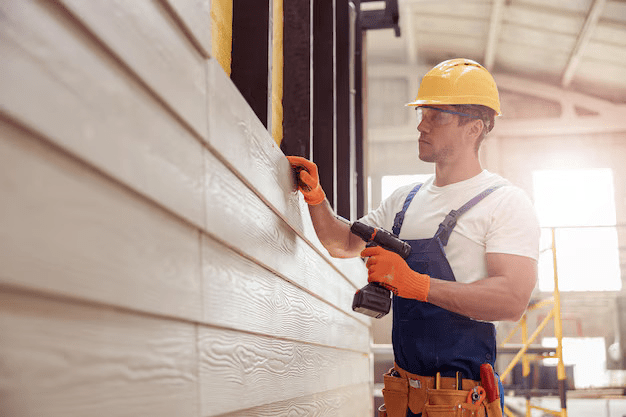
To the Johnsons, after thinking about it for a time, they chose insulated vinyl siding, for many reasons:
- The additional insulation would lower their heating and cooling bills, something more important in New Jersey with its swinging climate.
- They liked that the insulated vinyl would be strong enough to handle the high winds and some storms they get on occasion in their neck of the woods.
- It cost more upfront than standard vinyl, but was lower priced than fiber cement.
Results After Installation
The Johnsons were experiencing a difference in the comfort of their home as soon as it was installed. The insulation made their house warmer in the winter and cooler in the summer, plus it looked great from the street.
Frequently Asked Questions (FAQs)
1. What’s the difference between vinyl and insulated vinyl siding in NJ?
Vinyl siding is made of a plastic material that provides basic weather protection. Insulated vinyl siding includes a foam backing that adds thermal insulation, making it more energy-efficient and durable than traditional vinyl.
2. Is fiber cement siding a good choice for homes in NJ?
Yes, fiber cement siding is an excellent choice for homes in New Jersey due to its durability, resistance to the harsh weather conditions, and ability to mimic the look of wood without the maintenance issues.
3. Which siding option is the most energy-efficient in New Jersey?
Both insulated vinyl siding and fiber cement siding provide superior energy efficiency compared to traditional vinyl. Insulated vinyl is particularly beneficial for improving insulation and reducing heating and cooling costs.
4. How long does siding last in New Jersey?
The lifespan of your siding depends on the material:
- Vinyl sidinglasts between 20-40 years.
- Insulated vinyl sidinglasts between 30-50 years.
- Fiber cement sidingcan last 50+ years with proper maintenance.
5. How do I maintain my siding in New Jersey?
Each siding type requires different levels of maintenance:
- Vinyl sidingrequires occasional cleaning.
- Insulated vinyl sidingrequires less maintenance, though it may need cleaning and occasional repairs.
- Fiber cement sidingneeds to be painted every 5-10 years but is otherwise low-maintenance.
Conclusion
The decision whether to go with vinyl siding, insulated vinyl siding or fiber cement in New Jersey will depend on your needs, budget and long term plans. Vinyl: If you’re looking for an affordable and low maintenance siding, vinyl will work great although insulated vinyl has added energy-saving capabilities and durability. For those after decades-strong protection, a 30-year warranty can give peace of mind Overall Fiber Cement Siding Installation Costs On average, installing fiber cement siding on a home costs $30,000 and ranges between $5,000 to $50,000.
Whichever type of siding you decide on, make sure to hire an experienced contractor who is familiar with the special needs of New Jersey’s climate for installation. With this investment, you will improve your home’s curb appeal, energy efficiency and overall value.