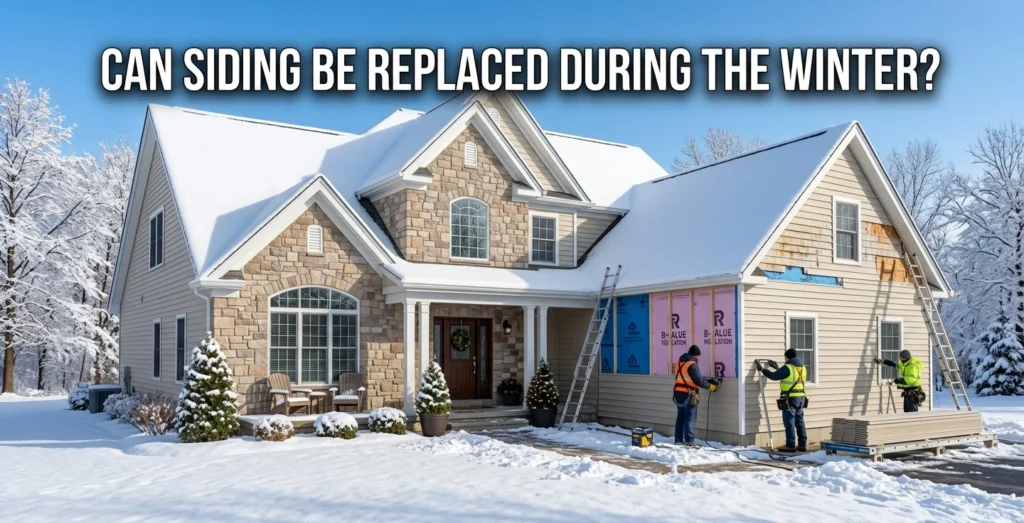


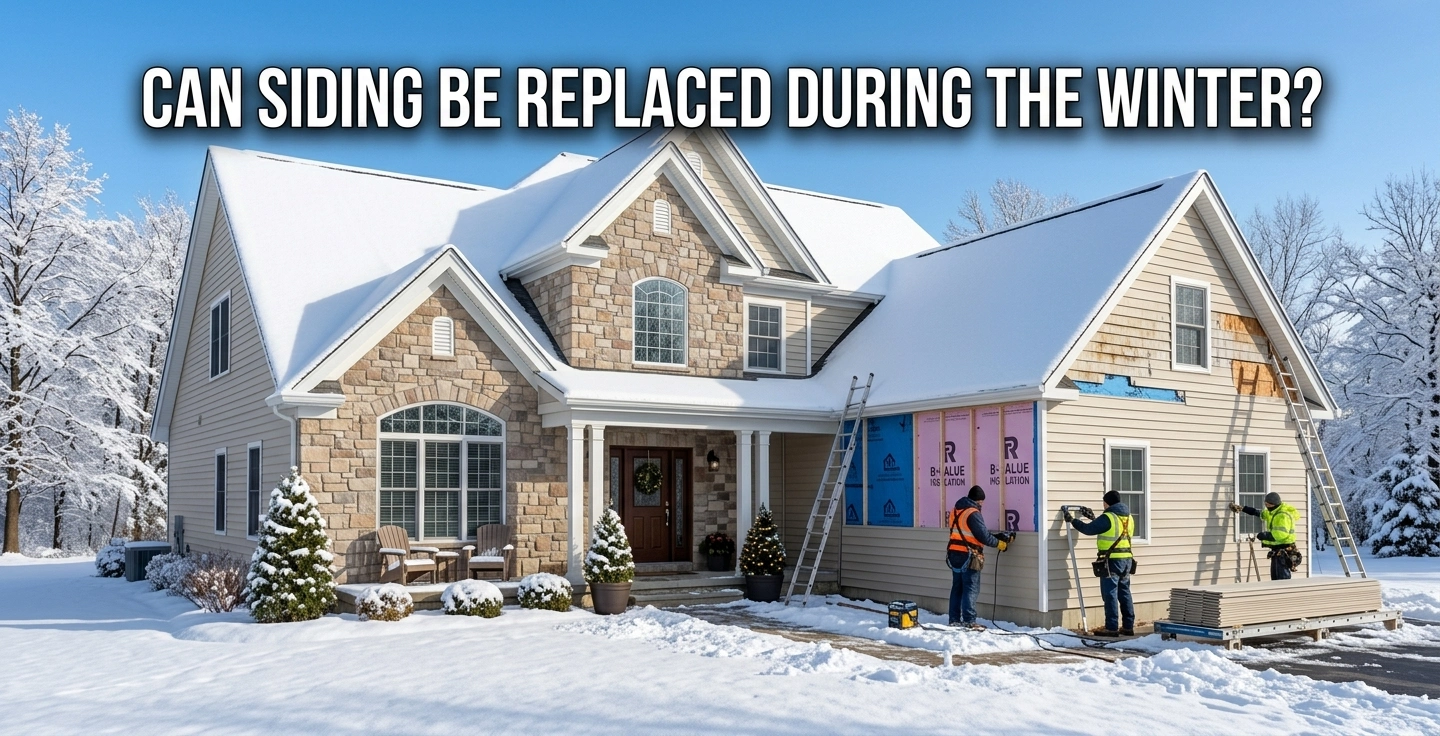
Homeowners often assume siding projects need to wait until spring. While warm weather makes most home improvement work easier, siding can absolutely be installed in the winter as long as it’s done correctly.
In fact, for many New Jersey homeowners, winter can be an ideal time to replace siding that’s no longer protecting their home. The key is working with an experienced contractor who understands how temperature affects siding materials and how to adapt techniques for cold-weather installation.
This guide explains what you need to know before scheduling a winter siding project in New Jersey.
Why Winter Siding Projects Make Sense
There are practical advantages to installing siding in the winter months:
1. Better Contractor Availability
Contractors often have more scheduling flexibility during colder weather. That means shorter wait times and faster project starts. If you’ve been putting off repairs or replacement since summer, you can often get your job done well before the busy spring rush.
2. Problems Are More Obvious
Winter is when siding issues tend to show up. Cracks, warping, or loose panels that weren’t obvious in mild weather suddenly start letting cold air in and moisture behind the walls.
3. Immediate Energy Savings
Replacing damaged or drafty siding before the coldest part of winter can make your home noticeably warmer. The added insulation and improved sealing around the structure can lower heating bills immediately.
4. Prevent Further Damage
Replacing damaged siding now can improve energy efficiency immediately and prevent structural damage before the freeze-thaw cycle makes it worse.
How Temperature Affects Vinyl Siding
While winter siding installation is possible, cold weather changes how the work must be done.
The Science
Vinyl siding naturally expands in heat and contracts in cold. Temperature plays a big role in how tightly panels are nailed and spaced. When vinyl contracts in freezing temperatures, it becomes slightly more brittle.
What a Skilled Contractor Does
A good siding crew will:
- Store panels in a warm, covered area before installation
- Use temperature-calibrated spacing and fasteners
- Avoid over-nailing, which restricts panel movement
- Check alignment and interlocks carefully, since vinyl behaves differently in cold air
What You Might Notice
Cold air makes vinyl a bit stiffer, so you might hear more snapping or popping during installation. That’s normal and temporary. Once the siding settles, your home will be quieter and better insulated.
How Temperature Affects Fiber Cement Siding
Fiber cement (like James Hardie) is more forgiving in cold weather than vinyl. It doesn’t expand and contract as much. However:
- Cutting is harder — fiber cement is brittle in extreme cold and requires specialized tools
- Sealants take longer to cure — cold weather slows the drying of caulking and sealants
- Proper fastening is critical — over-driven nails can crack the material
A skilled contractor will use cold-weather-rated products to ensure proper bonding.
What Homeowners Should Watch For
If you’re considering a winter siding project, here are a few things to keep in mind:
1. Daylight and Weather Windows
Winter days are shorter, so your crew may plan around daylight hours and weather forecasts. Clear, dry days above freezing are best for siding work.
2. Material Flexibility
While vinyl itself is winter-friendly, other materials — such as sealants or adhesives — may require specific temperature ranges. A reputable contractor will use cold-weather-rated products.
3. Noise and Comfort
Cold air makes vinyl a bit stiffer, so you might hear more snapping or popping during installation. That’s normal and temporary.
4. Timing Your Energy Savings
Replacing damaged or drafty siding before the coldest part of winter can make your home noticeably warmer.
When NOT to Install Siding in Winter
Winter siding installation is possible, but there are situations where you should wait:
- Extreme cold (below 20°F): Vinyl becomes very brittle and can crack during installation
- Active snow or ice: Dangerous for crews and prevents proper sealing
- Rain or freezing rain: Moisture gets behind siding and freezes
- Uncooperative contractor: If your contractor doesn’t have cold-weather experience, wait for spring
Frequently Asked Questions: Winter Siding Replacement in NJ
1. Can vinyl siding be installed in winter in New Jersey?
Yes. Vinyl siding can absolutely be installed in the winter as long as it’s done correctly. An experienced contractor will adjust techniques for cold weather.
2. What’s the best temperature for siding installation?
Clear, dry days above freezing are best for siding work. Vinyl becomes brittle below 20°F.
3. Does cold weather affect how vinyl siding is installed?
Yes. Cold weather changes how tightly panels are nailed and spaced. Vinyl contracts in cold, so installers must allow room for future expansion.
4. Will vinyl siding crack in cold weather?
It can, if handled improperly. A skilled installer will handle each panel with care to prevent cracking during cutting or fastening.
5. Can fiber cement siding be installed in winter?
Yes, but it requires specialized tools for cutting in cold weather. Sealants and adhesives may take longer to cure.
6. Why would I replace siding in winter?
Better contractor availability, immediate energy savings, and preventing damage before the freeze-thaw cycle makes it worse.
7. Is winter siding replacement more expensive?
Not necessarily. Some contractors offer off-season discounts during winter months when demand is lower.
8. How long does winter siding installation take?
The same as any season — 7–12 working days for a full home. However, winter days are shorter, so crews may work fewer hours per day.
9. What should I look for in a winter siding contractor?
Look for a contractor with cold-weather installation experience who uses temperature-calibrated spacing and fasteners, stores panels in warm areas, and uses cold-weather-rated sealants.
10. Should I wait until spring to replace siding?
If your siding is actively failing — letting in drafts, moisture, or showing visible damage — don’t wait. Winter replacement can improve energy efficiency immediately and prevent further structural damage.