


Replacing your roof is a significant home improvement project
The time of year you choose to do it can have a huge effect on cost, scheduling and final results. The best time to replace your roof in New Jersey will depend on the local climate, as well as weather conditions and the type of material you plan to use for your new roof.
Knowing the pros and cons of the season the work is performed in can help you in deciding when to schedule your roof installation.
In today’s post, we’ll discuss the best times of year to replace a roof in NJ and what you should consider and why when replacing your home’s “hat” so that it doesn’t drain funds or allow water onto your belongings.
Best Time of Year for Roof Replacement in New Jersey
Before diving into the specifics of the best times, let’s take a quick look at a seasonal overview that outlines the pros and cons of each time of year for roof replacement:
| Season | Best Time for Roof Replacement | Advantages | Considerations |
| Late Spring (May to June) | Best time for roof replacement | Mild temperatures, fewer delays, lower costs | Book early, as contractors are in demand. |
| Early Fall (September to October) | Ideal weather, fewer delays | Optimal temperatures, stable weather, lower competition | Be mindful of fall storms. |
| Summer (June to August) | Least ideal, but possible | High demand, warmer weather | High temperatures, risk of weather delays. |
| Winter (December to February) | Least ideal, but possible | Lower demand, discounts may apply | Cold temperatures, risk of delays, damage. |
Timing Is Everything For NJ Roof Replacement
New Jersey has all four seasons and, well, with each season comes different weather issues. Summer-high temperatures, winter-freezing conditions- can add greater challenges and or higher costs to a roof replacement while the milder spring and fall may provide optimal roofing installation conditions.
Knowing these seasonal things can also help eliminate waiting delays, enable better installs and keep weather in check.
Optimal Roof Replacement Months in New Jersey
Late Spring (May to June)
Late spring is typically the best time of year to replace your roof in New Jersey. The temperature is moderate, the opportunity for good weather is high, and roofing contractors are often more responsive after winter.
The following are the benefits that come with getting your roof replaced late spring:
- Perfect Weather:Temperatures are usually balanced, neither too hot and not too cold it’s possible for roofers to work easily. Shingles won’t seal properly at all without the help of warm weather, and since your NJ shingles will be more brittle in cold temperatures and can become damaged.
- Less Weather-Delay Risk:The weather in the spring months is less volatile than the winter, so there’s a smaller chance any of your plans will get rained out.
- Money Saver:Late spring isn’t the height of roofing season, which means you could potentially score lower prices on both materials and labor compared to the summer when demand is in high gear.
- Thoughts:Late spring is a great time to replace your roof! Keep in mind, however, that the late spring can be high season for roofing companies. It’s recommended to book early in order get a time slot.
Early Fall (September to October)
Early autumn is also a great time for roof installation in NJ. The temperature this time of year tends to be similar to late spring and that makes it an ideal season for roofing.
- Ideal Temperatures:With daytime temperatures in the 60s and 70s, roofing materials such as shingles adhere well, providing a solid installation. The cooler temperatures also mean less likelihood of heat stress to the materials.
- Dry Weather:By and large, the weather in fall is more reliable than summer, when you may experience more thunderstorms, particularly later in the season.
- Less Contractor Competition:Contractors are also typically less busy in early fall than they are in the middle of summer, when roof replacements tend to be more common — meaning you’ll get scheduled faster and probably with a better price.
- Pros:The cooler weather of fall means you can get the job done without the heat of a summer sun, while also avoiding snow and rain.
- Considerations:It’s not unheard of for fall storms to come through that delay roofing work, so just schedule it early enough in the season before hurricane season peaks.
Summer (June to August)
It’s not always the case that the best time to replace your roof is in the summertime, which happens to be a busy season for roof replacements in New Jersey.
Here are the reasons why:
- Brutal Heat:The summers are hot in NJ, often peaking into the 90s to 100s! Hot weather can cause asphalt shingles to be too flexible and difficult to install. And it can be painful on a hot day for roofers to stand and walk on bare metal for hours.
- Rain and Thunderstorms: It’s not a Texas summer without the possibility of daily thunderstorms that will surely slow down—or it could even ruin—BYOP (blame your old roof by then).
- Pros:Summer is the peak season for replacing a roof, meaning you may pay higher prices and wait longer to get on a contractor’s schedule. If you need to re-roof in the summer, consider scheduling your project for cooler weeks and not during the hottest times of day.
Winter (December to February)
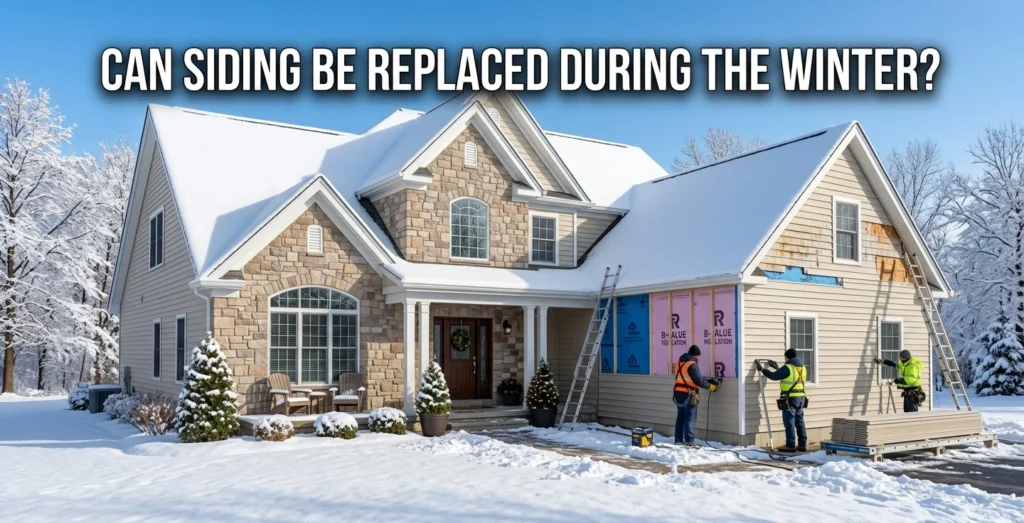
Winter is generally not the best time to have your roof replaced in New Jersey where it’s cold and wintry with snow ad ice. Replacements during the winter months can, in some cases be possible under certain conditions:
- Cold Weather Problems:Asphalt shingles, the types of roof material most used here in NJ, are less pliable in cold weather and tend to crack when being installed. The low temperature also makes it hard for the roofing materials to get proper adhesion.
- Winter Storms: Snow and ice are both reasons why a roof can’t be replaced, while even simply damp conditions can prove hazardous for crews on the roof.
- Reduced Demand:Because the majority of homeowners don’t replace their roofs in the winter, contractors could be offering deals because it’s a slow season. But the potential hazards of winter weather could outweigh the savings.
- Things to Think About:If you’re experiencing leaking or extensive damage to your roof, it may be time for a new one this winter. Be sure to talk to a professional roofing company to confirm that the project will be a safe and successful installation.
Case Study: Roof Replacement in New Brunswick, NJ for the Johnson Family
New Brunswick, NJ Residential Roofing Project of the Johnson Family
The Johnson’s had a leaky roof after winter and spring storms. They were worried about reroofing at the right time, to ensure they don’t run into any issues in the future.
Project Timeline:
- Consultation: They met with a roofing contractor in April to discuss options and schedule a roof replacement.
- Timing: The Johnsons decided on late May for their roof replacement due to the moderate weather and availability of their contractor.
- Installation: The installation went smoothly with no delays, as the weather remained mild and dry. The contractor was able to finish the project on time, and the family experienced no issues with leaks or further damage.
Results: By choosing late spring, the Johnsons avoided the risks of summer heat or winter cold, leading to a successful and efficient roof replacement.
FAQs About Roof Replacement in New Jersey
Q1: How long does a roof replacement take in New Jersey?
The time it takes to replace a roof varies depending on the size of the roof, the type of material, and the weather conditions. On average, a roof replacement takes 1-3 days.
Q2: What is the best roofing material for New Jersey?
Asphalt shingles are the most common roofing material in New Jersey due to their affordability, durability, and energy efficiency. Metal and slate roofs are also popular options, though they tend to be more expensive.
Q3: How can I protect my home if I need a roof replacement during the winter?
If you need to replace your roof in winter, make sure the contractor uses materials designed for cold weather installation. Be prepared for potential delays due to weather, and ensure that proper precautions are taken to protect your home from leaks during the project.
Q4: Is it worth replacing my roof in the summer if I have no other option?
While summer is a busy time for roofing, it’s still possible to replace your roof during this season. Be sure to hire a professional contractor with experience working in hot conditions to ensure the job is done right.
Key Takeaway
Picking the right time for a roof replacement in New Jersey is extremely important if you want to get your project done on time and within budget.
Late spring and early fall are usually the best times of year, since the weather is mild and there are fewer weather-related delays. Those months might still be an option for summer and winter, but there could be complications due to extreme heat or cold, as well as time shifts.
By knowing the benefits of the different seasons, you can take an educated guess on when to replace your roof in order to get the best value for your dollar.