

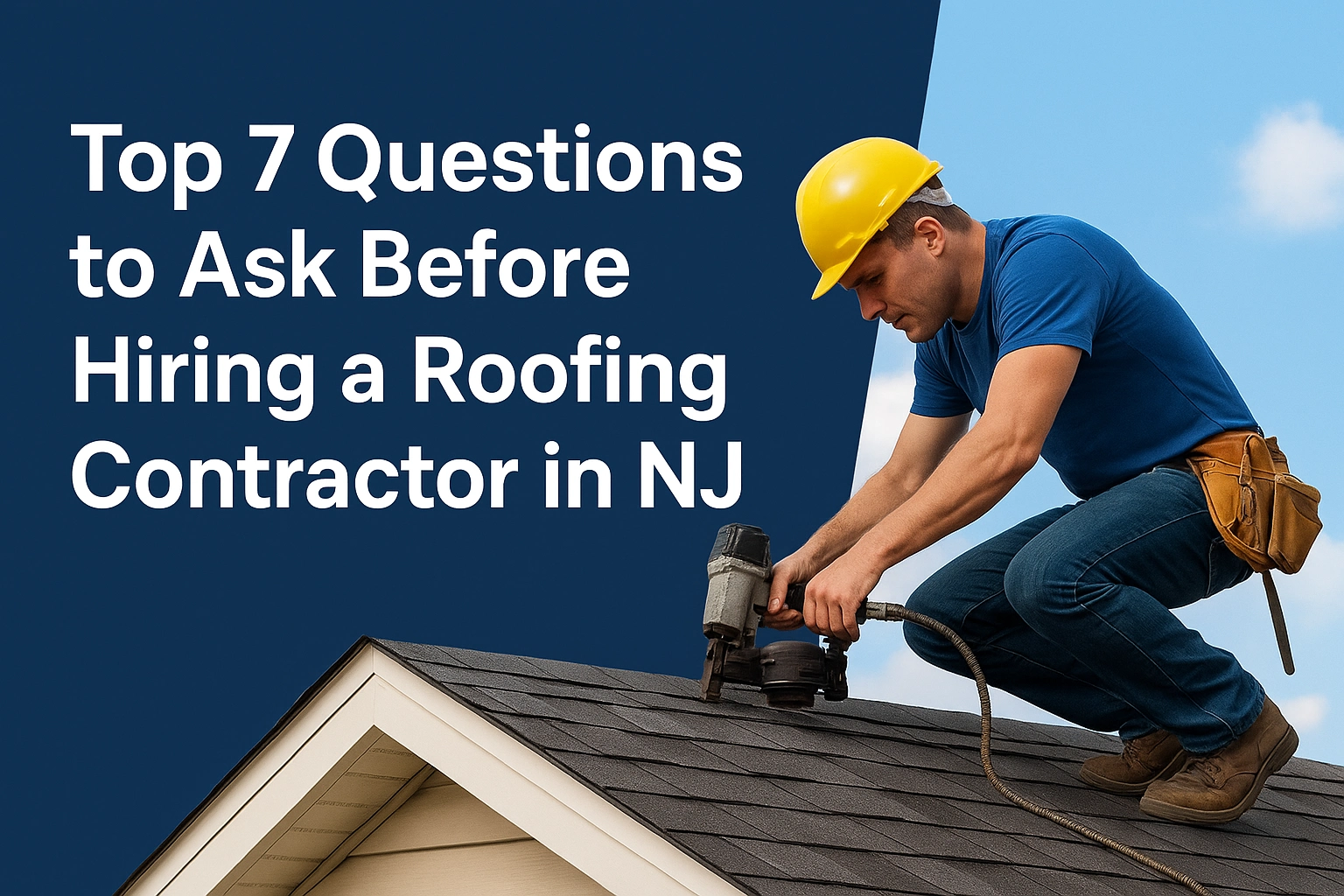
Planning a roof replacement or repair in New Jersey?
But before dialling that number, pause for a moment. Your roof is one of the most critical components of your property. After all, it guards your family, belongings, and the structural integrity of your property against the elements. As a result, the decision of who to hire is a stressful one.
However, hiring the right roofing contractor in NJ can make it a smooth, safe, and cost-effective process. At the same time, hiring the wrong contractor can be a disaster that causes stress, leaks, wasted money, and irreparable harm. Here are the top seven questions to ask a roofer before hiring one, enabling you to get the work completed by an expert, guaranteed professional, the first time.
1. Are You Licensed and Insured?
The first and the most vital thing to ask is active licensing. A professional roofing contractor must be issued a license by the state of New Jersey. Licensing confirms that a contractor is up to the necessary standards of skill, knowledge, and business ethics. And additional insurance too two insurances are essential behind:
General liability insurance covers damage to your property while working on a project.
Worker’s compensation insurance covers worker’s injuries sustained at your returns. If the contractor has no proof of such insurances, he or she would not sign an agreement. By that moment, you will be held responsible for accidents or other damage. Always ask for actual documentation
Tip: Verify the license number with the New Jersey Division of Consumer Affairs for authenticity.
2. What Experience Do You Have with My Type of Roof?
Roofing materials vary widely and each type require specific expertise.Ask the contractor how many years they have been in business and whether they have handled roofs similar to yours.
Some specialize in asphalt shingles, others work primarily with tiles or metal materials and still others are experts at installing flat roof systems. If you own a historic home or a property with architectural features, you need someone who has experience and knowledge of how to shape and lay down those roofs.
Good questions to ask include:
- How many similar projects have you done in NJ?
- Can I see pictures or speak to references from earlier work you did?
- Have you had any training at all in energy-efficient or green roofing systems?
Why it matters: Experience guarantees proper installation, fewer delays, and a longer-lived roof
3. Can You Provide a Detailed Written Estimate and Contract?
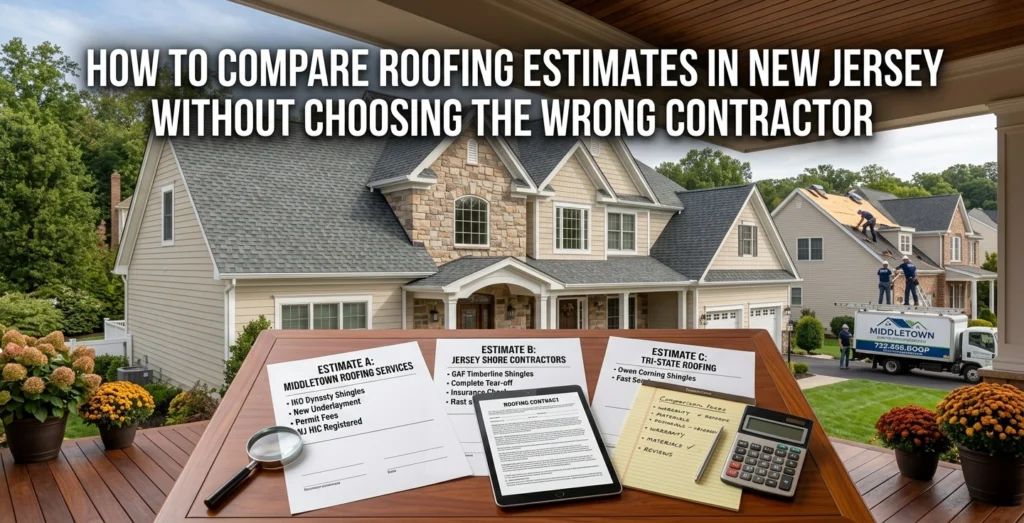
Never rely on verbal quotes. A professional roofing contractor should provide a clear, written estimate that outlines all costs and terms.
Here is what a complete roofing estimate should contain:
| Element | What to Look For | Why It Matters |
| Material Costs | Specific pricing for shingles, underlayment, nails, flashing, and sealants | Prevents unexpected price increases |
| Labor Charges | Hourly or total labor cost clearly mentioned | Ensures transparency and accurate budgeting |
| Project Timeline | Start and completion dates | Keeps work on schedule and avoids unnecessary delays |
| Warranty Details | Coverage for materials and workmanship | Protects your investment long after completion |
| Cleanup and Disposal | Debris removal and site cleaning included | Ensures your property is left clean and safe |
A well-structured estimate shows that the contractor is organized, transparent, and accountable. Avoid contractors who provide vague quotes or request full payment before work begins.
4. What Type of Warranties Do You Offer?
A strong warranty is a guarantee of the craftsman’s confidence in both his work and materials. Generally, roofing warranties come in two forms. A manufacturer’s warranty addresses imperfections in the roofing material and can last for anywhere from 10 years to 50, depending on what brand you have bought or where it was made.
A workmanship guarantee deals with installation errors or problems _and these can vary from as few months, maybe even just permits difficulties right up until 1 year depending on who does your installing work. When you talk about the warranty, you should ask if your warranty is transferable to a new buyer when you sell your home. And what situations would void this protection? How do I handle a claim for repair work under warranty if something goes wrong? A roofing company that really believes in the quality of its work will be open and confident when describing what their warranty covers.
5. How Will You Protect My Property During the Project?
Roofing work can be messy and disruptive, and without proper precautions, anything from tiles on houses to nails in driveways is fair game for this dumper: making your house even less safe than if a bus crashed into it. A professional roofer should always have a clear plan to protect your property before starting the project. Ask whether the roofer uses tarps or protective barriers around your home, what method for debris and waste disposal they are planning, and if any stray nails will be picked up with magnetic tools after installation.
A responsible roofing contractor will also inspect your attic during the project to check for potential leaks or hidden damage. The way they handle property protection and keep site clean also indicates their commitment to quality workmanship and respect for your home.
6. Who Will Supervise the Work on My Roof?
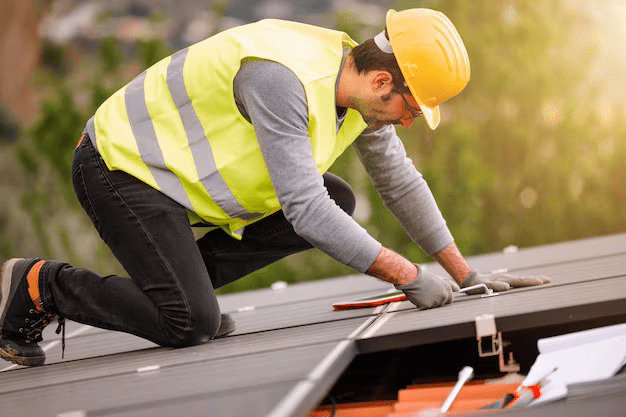
We should communicate with each other and maintain a high level of responsibility throughout any roofing project. Homeowners need to know who will be responsible for the project from start to finish Some roofing companies use subcontractors instead of their own people, which may mean bad workmanship. However, they also have one benefit that at least cannot be disputed: Meet with your project manager on a daily basis and verify any progress reports, bring new problems to his attention as they emerge into sight; ask what training or certifications your regular workers have from roof tile manufacturers’ representatives A reputable roofing contractor in NJ will always assign a qualified supervisor or foreman to oversee the whole process, checking that all work meets safety standards, proper installation procedures, and maintaining regular contact with the homeowner throughout your job.
7. Can You Provide References or Local Case Studies?
Your reputation is more persuasive than any ad. If a contractor is reliable, he should be able to provide local references or examples confirming his experience and dependability.
Make sure to ask for at least three references from customers within your area. Get in touch with them and find out about the contractor’s punctuality, reliability and status. Similarly, online reviews on Google, Yelp or Better Business Bureau will serve you well.
In evaluating a rock-solid roofing company you will want to consider:
- Continued five-star ratings from clients.
- Satisfied customer testimonies highlighting a clean job site and good communication.
- Photos of finished projects in New Jersey neighborhoods.
Case Study: Homeowner in Edison, NJ
Background:
After a rainstorm in Edison, a homeowner noticed some water in the attic and missing shingles. They contacted a low-cost roofer. This roofer promised a quick fix but refused to provide a written contract or warranty. Two months later, the leaks returned and interior ceiling damage appeared.
Solution:
Then the homeowner contacted a licensed and insured roofing contractor in NJ recommended by neighbors in his area. The contractor provided a detailed inspection report, a transparent written estimate and a 15-year workmanship warranty.
Results:
The new roof installation was completed within four days. The crew maintained a clean job site and tarp for the lawn, and performed a full magnetic cleanup afterwards to collect all nails. Two years later, the roof remains leak-free. Now the homeowner has peace of mind knowing his project was done professionally.
Lesson Learned:
Always verify credentials, request documentation and choose a contractor who demonstrates transparency and accountability.
Additional Tips Before Hiring a Roofer
- Check reviews and ratings:Look up the company’s profile on Google and the Better Business Bureau.
- Avoid extremely low bids:Unrealistically low prices often signal inferior materials or hidden costs.
- Ask about permits:In many NJ municipalities, roof replacement requires a building permit. Confirm that your contractor will handle this.
- Review payment terms:A fair schedule typically involves a small deposit and balance upon completion, never full payment in advance.
- Inspect material choices:Quality shingles and underlayment determine how long your roof will last.
Why Asking the Right Questions Matters
When you decide to repair or replace a roof you are making an important investment.Asking the right questions will aid identification of reputable professionals, prevent scams, and keep you from getting ripped off.You get what you pay for when hiring a roofer.Lead certified roofers are the best ones to qualify for work without experience in construction.
By evaluating each candidate at length, you not only protect your wallet but also ensure that your new roof will last for decades.Roofing contractor license: Call the authorities before hiring Distinctly communicate Well then licensed professionals with good references, upfront communication and sound guarantees are those who give lasting results.One should never rush this important decision.Take the time to compare options carefully, review contracts in print (often twice) and wherever possible go with your gut, not reason.
Take the First Step Toward a Safer Roof
Your roof protects everything you love inside your home. If it has been years since your last inspection or you notice damage, do not wait until leaks appear. Contact a reliable roofing contractor in NJ today for a professional assessment.
Asking smart questions now will save you from stress, repairs, and unnecessary expenses later.