


Introduction
Thunderstorms in Middlesex County, NJ can become severe with dangerous conditions that include heavy rain, strong winds and hail. As you know, storm activity can be brutal on your roof, and if the damage to your roofing isn’t fixed immediately, it could result in expensive repairs and interior water and moisture damage.
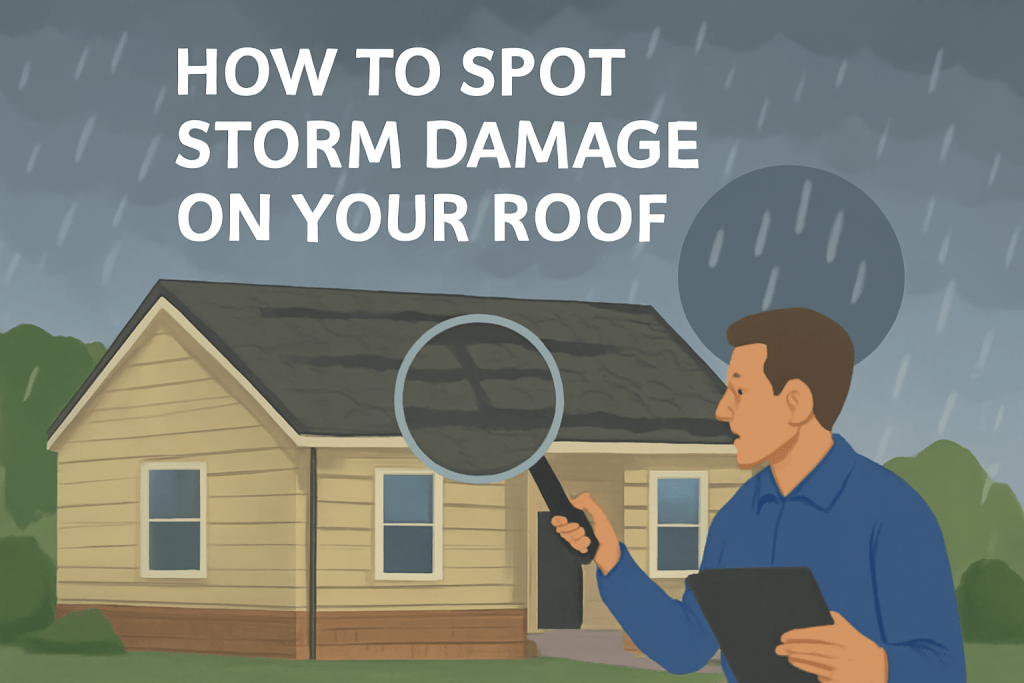
Being able to spot storm damage early can save you in the long run, as it will enable you to avoid leaks and safeguard your home’s structural integrity. In this post, we will help you spot storm damage to your roof and outline what to do if you find trouble after a thunderstorm.
Roof Storm Damage in Middlesex County – Why It Matters
The county of Middlesex is plagued with some very severe storms and thunderstorms, especially in the summer time. These storms frequently carry high winds, hail and debris that can damage your roof.
Knowing how these things affect roofing materials can help you identify problems before they become severe. If you don’t act quickly to fix this damage, it can lead to leaks, mold or other structural issues that get worse over time.
How to Identify Roof Storm Damage
Missing or Damaged Shingles
Look for missing, cracked or curled shingles after a heavy storm. Strong winds can lift shingles and damage your roof. When shingles are broken or missing, water can penetrate your attic, and create leaks and other damage.
Granules in Gutters
Another telltale sign of storm damage is if you have minuscule granules from your shingles in your rain gutters. If you see a bunch of granules, that could indicate hail damage roofing NJ or wind wear and tear. Loss of granule exposes the base of shingles to help wear and tear.
The Martins Thunderstorm Roof Inspection In Edison, NJ Case Study
In June 2024, A severe thunderstorm passed through Middlesex County, NJ bringing hail and high winds. The Martins, who are homeowners in Edison, began noticing water spots on their living room ceiling a few days later. Alarmed, they went to check the roof.
Inspection Process:
They discovered missing shingles and granules in the gutters. After some investigation, they found hail damage to their asphalt shingles and a few cracked roof vents. The Martins telephoned a roofer, who verified that the roof had sustained major damage from hail and wind.
Result:
They acted fast and were able to repair the damage before it escalated. The Martins saved on the cost of replacement by addressing the issue early.
What to Do If You Suspect Storm Damage

If you see any of the indications of storm damage on your roof, let’s take action right away.
First, take a look at your roof from the ground or use binoculars to make sure there are no obvious signs of damage like missing shingles, debris or visible cracks. Don’t climb on the roof yourself, especially in a post-storm situation when shingles can be slippery and perilous.
If you do spy possible damage, it’s a good idea to call in a pro roofer. They’ll inspect your home for the source of the issue and assist in identifying how much damage you have. Your roofer can help you file an insurance claim if the damage is covered by your homeowners’ policy.
FAQs About Roof Storm Damage in Middlesex County, NJ
Q1: How do I know if my roof has hail damage?
Check for tiny, circular indentations on your shingles. If you see dark spots or loose granules in your gutters, the damage may have been caused by hail.
Q2: Is roof storm damage covered by my homeowner’s insurance?
Storm-related damage to a roof is covered in most homeowners’ insurance policies. Can you help me understand the details of my coverage and what it means in the context of my policy?
Q3: How soon should I call a roofer miles after the storm?
If you see any major damage, like missing shingles or cracks or water leaks, do not put off contacting a roofer right away. Early repairs prevent further damage.
Q4: Can I fix my own roof?
Even if the repairs seem small and manageable, a professional roofer can ensure that the damage is repaired safely and effectively.
Common Storm Damages and How to Identify Them
| Storm Damage Type | What to Look For | Action to Take |
| Missing Shingles | Shingles that are torn, bent, or missing. | Replace missing shingles immediately. |
| Hail Damage | Dents, cracks, or granules in gutters. | Inspect for dents; replace damaged shingles. |
| Water Stains | Stains on ceilings or walls. | Inspect attic for water damage. |
| Cracked Flashing | Pitted or bent metal flashing. | Replace or repair flashing. |
| Roof Vent Damage | Cracked or displaced roof vents. | Replace damaged vents. |
Conclusion
Spotting roof storm damage after a thunderstorm in Middlesex County is essential to maintaining the health of your home. By following the steps outlined in this guide, you can quickly detect issues like hail damage, missing shingles, and water leaks. Early detection and prompt action can save you from more expensive repairs and protect your home from further damage. If you’re unsure about the extent of the damage, contact a licensed roofing professional to help you assess and fix the damage.